
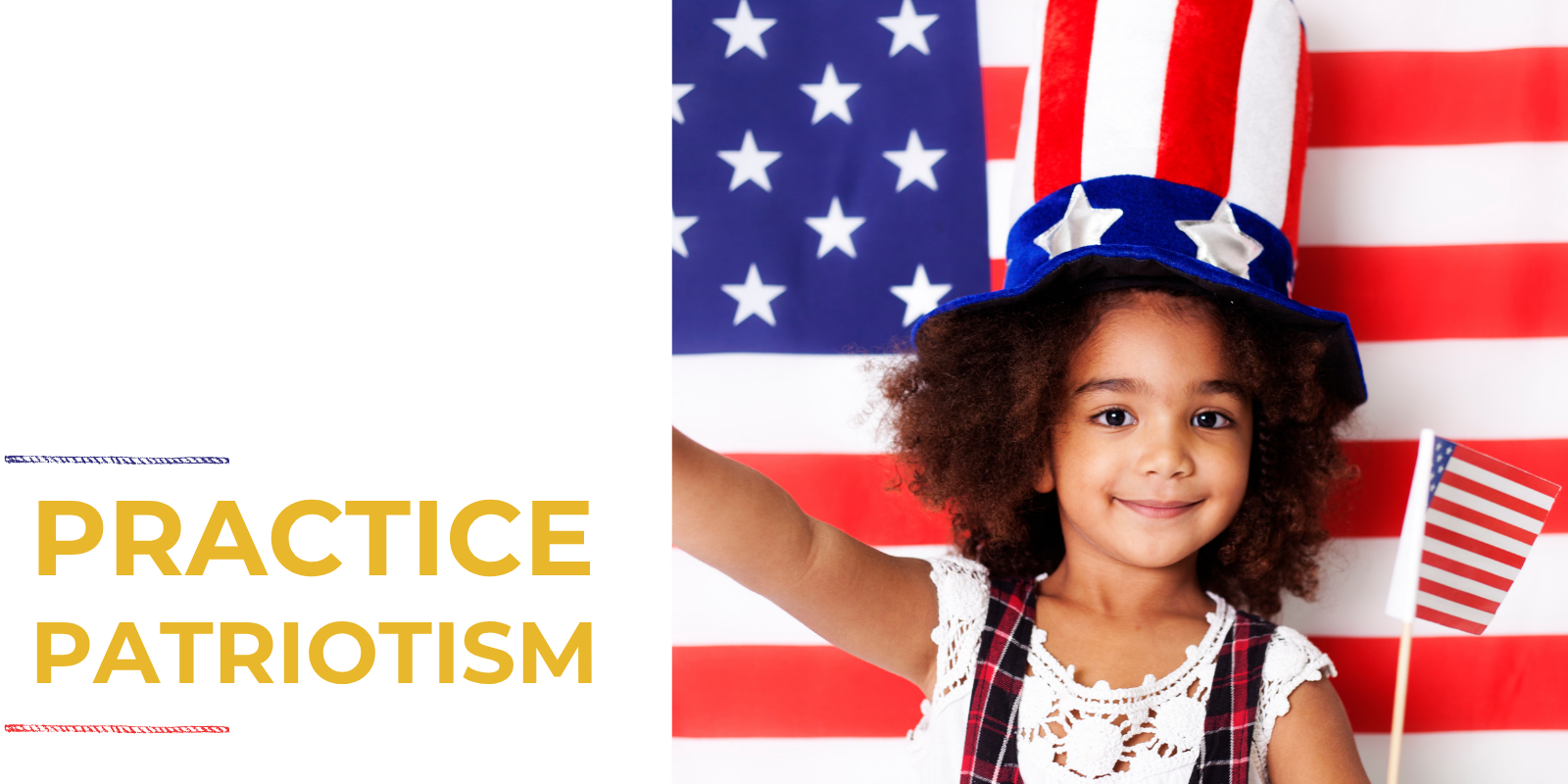
Each Fourth of July, families across the country gather for cookouts, parades, fireworks, and time together. For many children, the day is full of excitement: bright colors, waving flags, red-white-and-blue treats, and staying up late to watch the sky light up. This year carries even more significance as our nation recognizes the United States Semiquincentennial, marking 250 years since the signing of the Declaration of Independence. It is a milestone worth noticing, not just with celebration, but with reflection.
For parents and caregivers, Independence Day can be more than a holiday. It can be an opportunity to help children understand what it means to love their country well.
Modeling Patriotism
Patriotism, at its best, is not about pretending our nation has always gotten everything right. It is also not about requiring everyone to think, vote, or feel the same way. Healthy patriotism makes room for gratitude, honesty, humility, and hope. It teaches children that we can appreciate the freedoms we enjoy while also caring about the work still needed to make our communities better for everyone.
One meaningful way to talk about patriotism with children is to help them understand the honor and responsibility of citizenship. In the United States, we have the privilege of voting, sharing our voices, and participating in the direction of our communities, state, and nation. Not every country enjoys that same freedom. Helping children recognize this privilege can build gratitude without turning the conversation into politics.
Children learn this best through the examples of the adults around them.
When we speak with respect about people who see the world differently, children notice. When we thank a veteran, help a neighbor, volunteer, pray for our leaders, or participate thoughtfully in civic life, children notice. When we tell the truth about both the beauty and the brokenness of our nation’s history, children learn that love does not require ignoring hard things.
Freedom can feel abstract, but children can understand it when we talk about being able to worship, learn, speak, gather, vote, and help others. Citizenship becomes practical when they learn that caring for their neighborhood, school, church, or community is part of contributing to the world around them.
The Fourth of July is also a good time to tell stories. Share family stories and stories of people who helped shape the nation in courageous ways. Talk about the people who served, sacrificed, spoke up, built, protected, challenged, prayed, led, and cared. Help children see that history is made by real people, and that they too have a role to play in the future.
This matters especially for children who have experienced instability, loss, or uncertainty. A healthy sense of belonging can be powerful. When children are invited into traditions, celebrations, and conversations about shared values, they are reminded that they are part of something larger than themselves. They can begin to see themselves as people with purpose, voice, and value.
As families celebrate the United States Semiquincentennial, the invitation is not to make the day political. It is to make it meaningful.
Wave the flag. Enjoy the food. Watch the fireworks if your family chooses to. But also take a moment to talk with your children about gratitude, courage, service, freedom, responsibility, respect, and kindness.
Because raising children who care for their neighbors, serve their communities, and value freedom is one of the most meaningful ways we can celebrate Independence Day. That kind of patriotism is worth passing on.
Helping Kids Celebrate
Children often connect with big ideas through simple, hands-on activities. A few patriotic crafts, snacks, or decorations can help make the day fun while also creating space for meaningful conversations.
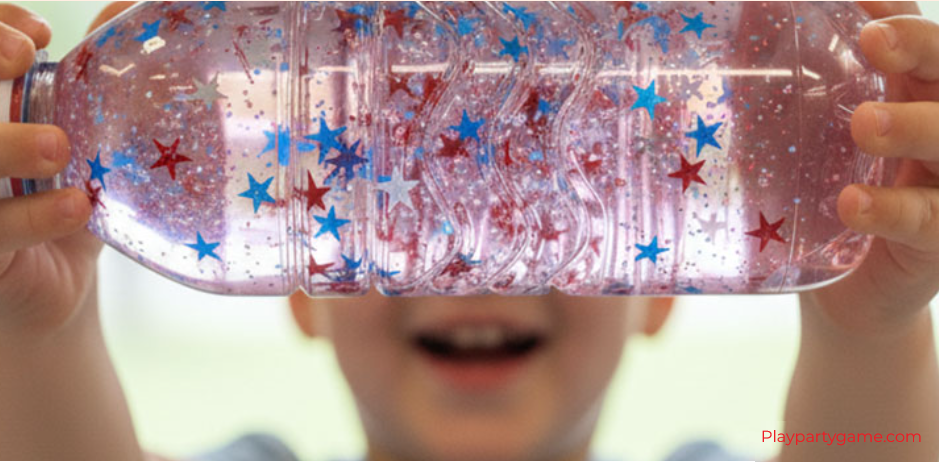
Families might invite kids to make thank-you cards for veterans or community helpers. Younger children can decorate paper flags, stars, or banners to hang around the house. Older children may enjoy topping a cake with red and blue berries to create a flag. Kids can also make patriotic table decorations, sidewalk chalk art, or paper lanterns. For a fun, inexpensive activity, try making homemade Patriotic Blower Tubes or Sparkle Bottles. They are simple crafts that let kids celebrate with color, movement, and excitement, without needing anything loud or overwhelming.
As we celebrate the United States Semiquincentennial, may this Fourth of July be more than a day of red, white, and blue. May it be a chance to help children grow in gratitude, understand the value of freedom, and learn what it means to love their country with both honesty and hope.
