
When we think about resilience, we often picture strength. We imagine someone who can withstand hardship, push through obstacles, and keep moving forward no matter what life throws their way.
Many children in foster care have demonstrated exactly that kind of strength.
They have learned to adapt to difficult circumstances. Some have learned to care for younger siblings when adults were unavailable. Some have learned to suppress emotions because showing sadness or fear felt unsafe. Others have become fiercely independent because experience taught them that relying on others could lead to disappointment.
From the outside, these children may appear remarkably resilient. But sometimes what looks like resilience is actually survival.
A child who believes they must handle everything alone isn't necessarily resilient. A child who feels responsible for everyone else's well-being isn't necessarily strong. A child who never asks for help may simply have learned that help wasn't available.
Survival skills serve an important purpose in difficult circumstances. They help children make it through challenges no child should have to face. But true resilience is something different.
True resilience grows when children discover they don't have to carry life's burdens alone.
It develops when they have safe adults who encourage them, guide them, and remind them that vulnerability is not weakness. It grows through relationships built on trust, consistency, and connection.
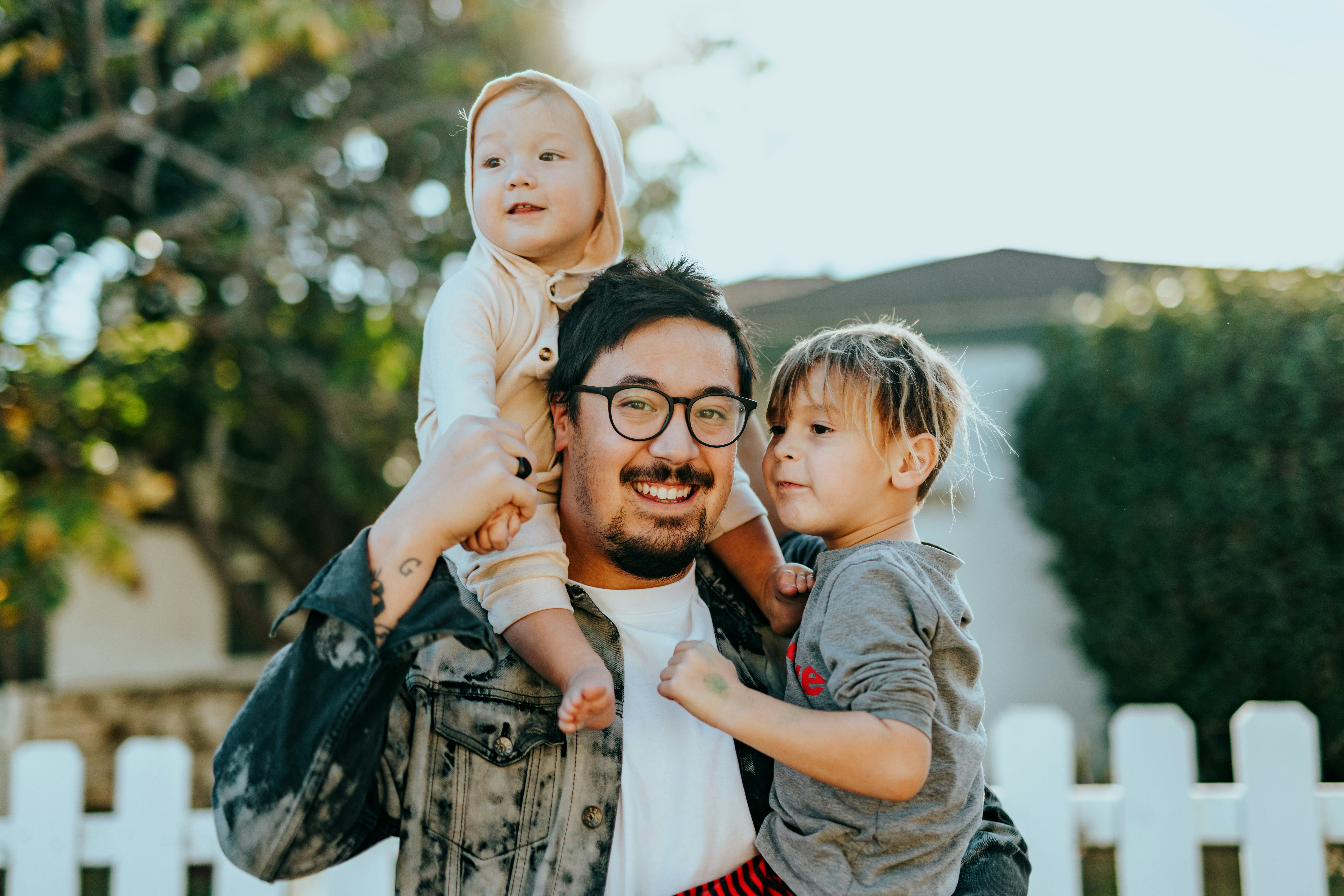
This is where fathers and father figures often have a powerful influence.
Whether they are biological fathers, foster dads, adoptive fathers, grandfathers, uncles, coaches, mentors, or other caring men, they can help children move from simply surviving to truly thriving.
ACTION
Many men naturally teach through action. They encourage children to try again after failing, to solve problems, to face challenges head-on, and to keep moving forward when things get difficult. They often bring a spirit of courage, determination, and perseverance that helps children believe they can overcome obstacles.
A father teaching a child to ride a bike doesn't eliminate the possibility of falling. He runs alongside, offers encouragement, and helps the child discover they can do something they once thought impossible.
The lesson isn't really about the bicycle.
It's about confidence.
It's about courage.
It's about learning that challenges can be faced and overcome.
CONFIDENCE
Healthy masculine influence often encourages children to stretch beyond their comfort zones. It may show up through friendly competition, tackling a difficult project together, exploring the outdoors, learning a new skill, or simply hearing someone say, "I know this is hard, but I know you can do it."
Children benefit from adults who challenge them to grow while providing the support they need to succeed.
PROTECTION
Many men also possess a natural protective instinct. While protection certainly includes keeping children physically safe, it extends far beyond that. A protective father figure creates an environment where children feel secure enough to take healthy risks, make mistakes, express emotions, and learn from failure.
When children know someone is in their corner, they become more willing to try.
More willing to trust.
More willing to hope.
This is especially important for children who have experienced trauma.
COURAGE
Children who have spent years surviving often need caring adults to show them that strength doesn't mean carrying everything by themselves. They need permission to be children. They need opportunities to experience healthy dependence before they can develop true independence.
A strong father figure doesn't teach children that they should never be afraid. He teaches them that courage exists alongside fear. He doesn't teach them that emotions should be hidden. He demonstrates how to handle emotions in healthy ways. He doesn't teach them that asking for help is weakness. He models the strength it takes to lean on others when support is needed.
CONSISTENCY
Most importantly, he shows up.
Resilience is rarely built through one grand moment. More often, it grows through countless ordinary interactions: conversations in the car, helping with homework, attending a game, fixing something together, teaching a life skill, sharing a meal, or simply being present day after day.
These seemingly small moments communicate powerful messages:
"You matter."
"You are capable."
"You are not alone."
"I believe in you."
Over time, those messages become part of a child's identity.
RELATIONSHIP
The world often celebrates toughness. But children need something greater than toughness alone. They need resilience rooted in relationship. They need caring adults who provide both encouragement and stability, challenge and support, courage and compassion.
They need steady hands and strong hearts.
And when fathers and father figures offer those gifts, they help children discover a strength that goes far beyond survival, a strength that equips them to flourish for years to come.
