
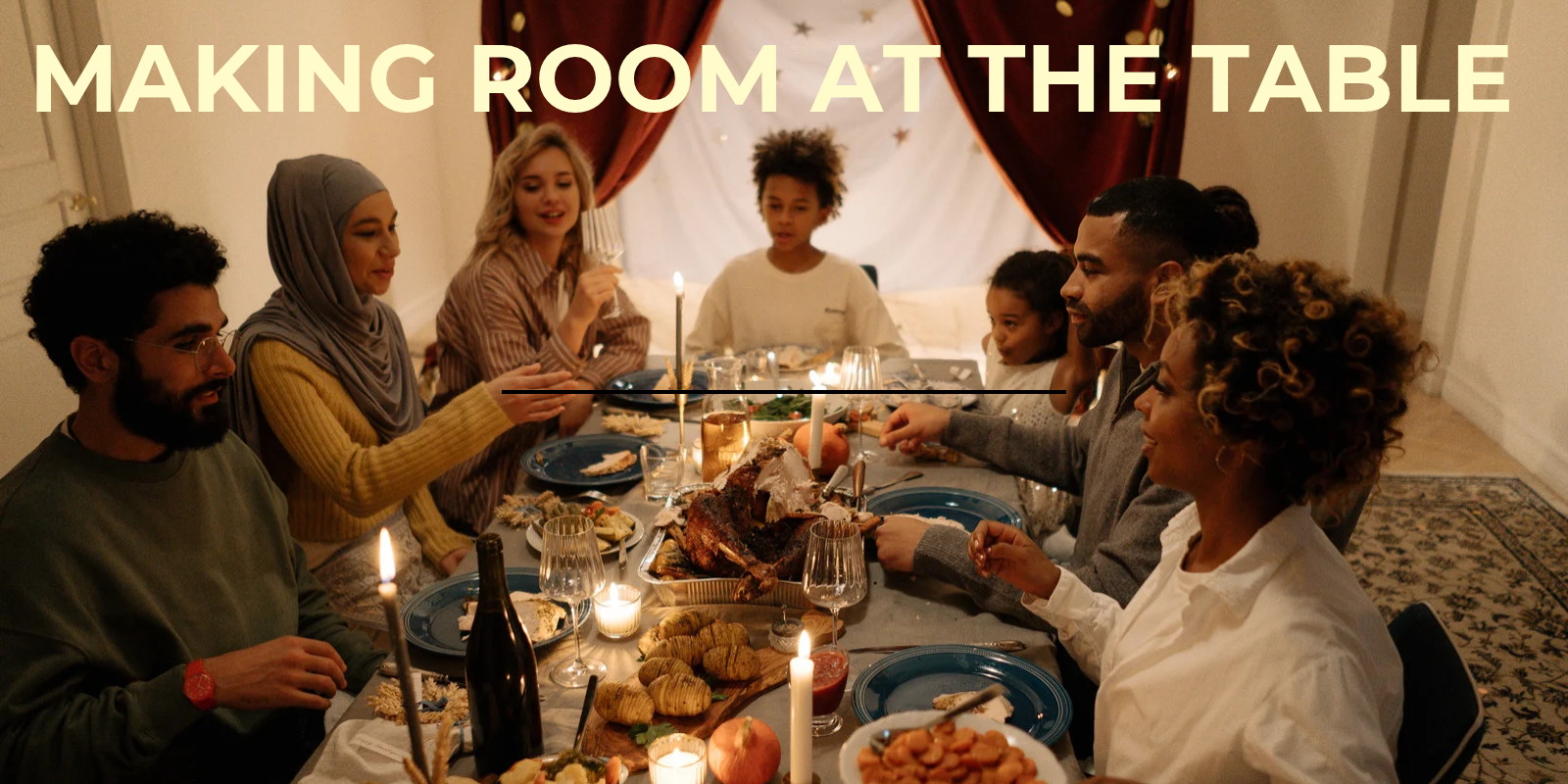
There is something special about gathering around a table during the holidays. We share meals, tell stories, laugh about old memories, and celebrate the people who make our lives meaningful. Sometimes there is an empty chair that reminds us of someone we love who is no longer with us, and sometimes there is an empty space in our heart for someone who cannot be, or chooses not to be, present. The table is more than a place to eat. It is a place where we acknowledge belonging.
For children in foster care, the holidays can be especially complicated. While everyone around them is celebrating, they may be wondering what is happening in another home, around another table, with another family. They may be fantasizing about Hallmark moments that never happened but could be happening this year. They may remember a grandmother's cooking, a mother's embrace, a father's laughter, or a simple gift that meant more than anyone realized. They may miss traditions that were never particularly elaborate but were uniquely theirs. It is usually not the pomp and circumstance they miss but the people.
And sometimes, they may miss people whom the adults in their lives believe they should not miss. We must understand something important about children. Love is not always logical. Neither is loyalty. A child can love a parent who has disappointed them, neglected them, or even hurt them. That love does not mean the child approves of what happened. It does not mean the child is confused about right and wrong. It simply means that relationships, particularly those between children and their families, are extraordinarily complicated.
We should never require a child to deny love in order to demonstrate gratitude.
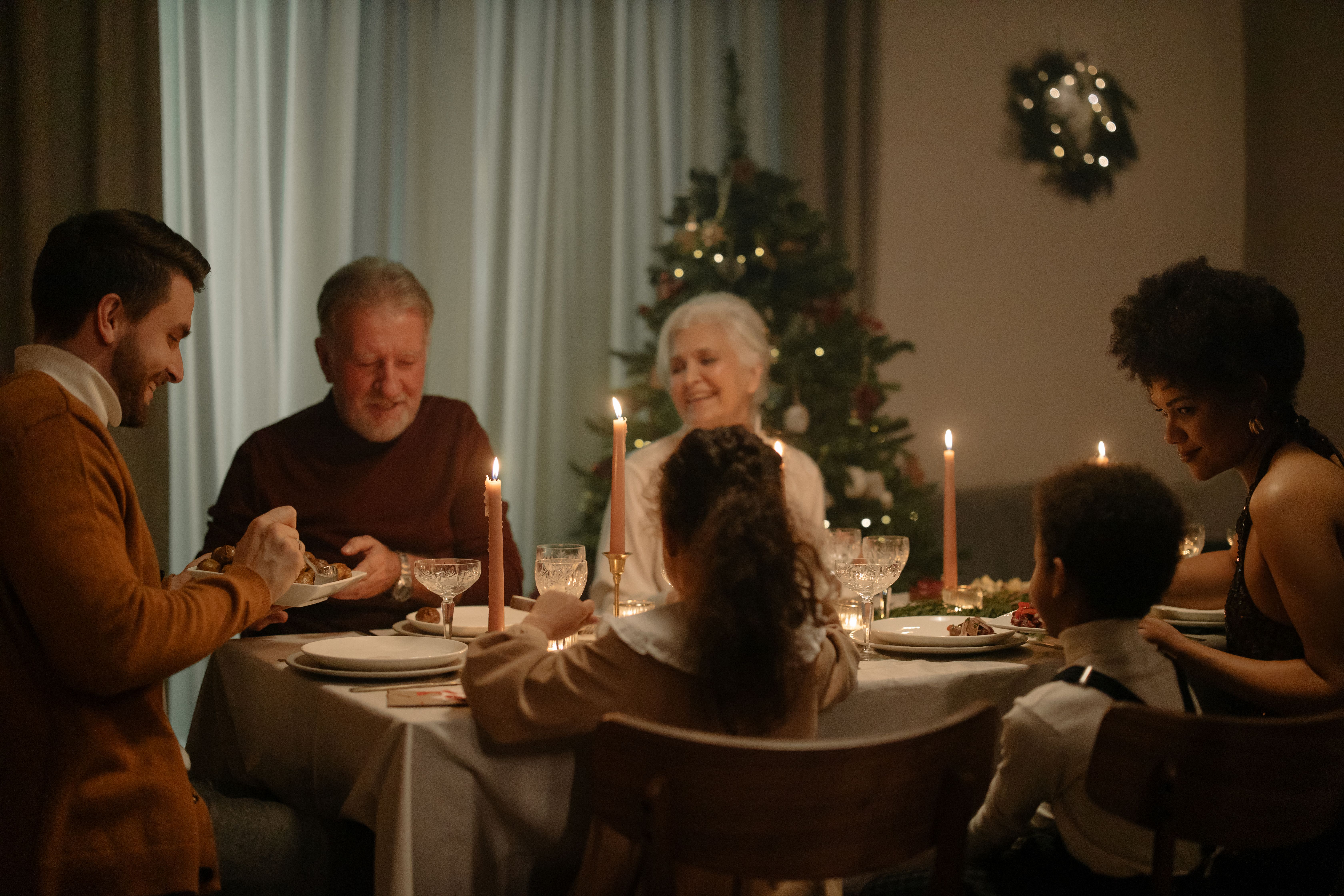
A child should not have to choose between loving a biological parent and loving a foster parent. An adopted child should not feel disloyal for wondering about the family into which they were born. A child who has found security and happiness in a new home should not feel guilty for missing the old one.
There is room at the table for all of those feelings. There should be room for all of those people physically or at least emotionally. What if, during this holiday season, we made a conscious effort to expand the table in the lives of the children we serve? Not necessarily by adding chairs, but by making room in our conversations, traditions, memories, and celebrations for everyone who matters to them.
We might begin by simply asking questions. "What did Christmas look like when you were younger? Was there something your family always did that you really enjoyed? Who are you thinking about this holiday season? Is there someone you wish could be here? Do you have favorite memories?" And then, perhaps most importantly, we listen.
We do not correct their memories. We do not remind them why they cannot live with someone. We do not compete with the people they miss. We simply allow them to remember, to love, and sometimes to grieve.
There are practical ways to make room at the table. We can prepare a favorite family recipe, include a familiar tradition, display photographs when appropriate, or help a child write a letter to someone important. If visitation is permitted, we can help make those moments meaningful. If contact is not possible or appropriate, we can still acknowledge the relationship without compromising the child's safety. A child might create a card that is never mailed, share a favorite memory, or simply say someone's name aloud.
Sometimes making room at the table means welcoming a sibling, grandparent, former caregiver, or family friend into a holiday tradition when circumstances allow. It could mean recognizing that a teacher, coach, neighbor, or friend has become an important part of a child's family.
And sometimes it means doing nothing more than saying, "It's okay to miss them. You can love them and love us, too." Those words can be remarkably powerful.
One of the greatest gifts we can give children is the freedom to love without guilt. We should never turn affection into a competition or belonging into a test of loyalty. The human heart has an extraordinary capacity to make room for more people. Loving someone new does not require us to stop loving someone else. The Bible says, “Love never fails,” which, correctly understood, means it never runs out. There can never be too much love.
This principle extends beyond foster and adoptive families. It applies to all of us who work with children and families. We can help create environments where children are free to talk about their histories without embarrassment, where their relationships are respected, and where their feelings are heard even when we do not fully understand them. Our responsibility is not to determine whom a child should love. Our responsibility is to help that child experience love in ways that are healthy, safe, and affirming.
As we approach the holidays, I hope we will think carefully about the tables we create. Are they places where children must leave part of themselves outside the door? Or are they places where their memories, relationships, hopes, and complicated emotions are welcome? The holidays should not require a child to pretend that yesterday never happened in order to enjoy today.
Perhaps the greatest expression of hospitality is not inviting someone into our home but making room in our hearts for the people they carry in theirs.
This holiday season, let's make the table bigger. There is plenty of room.
Blessings
