
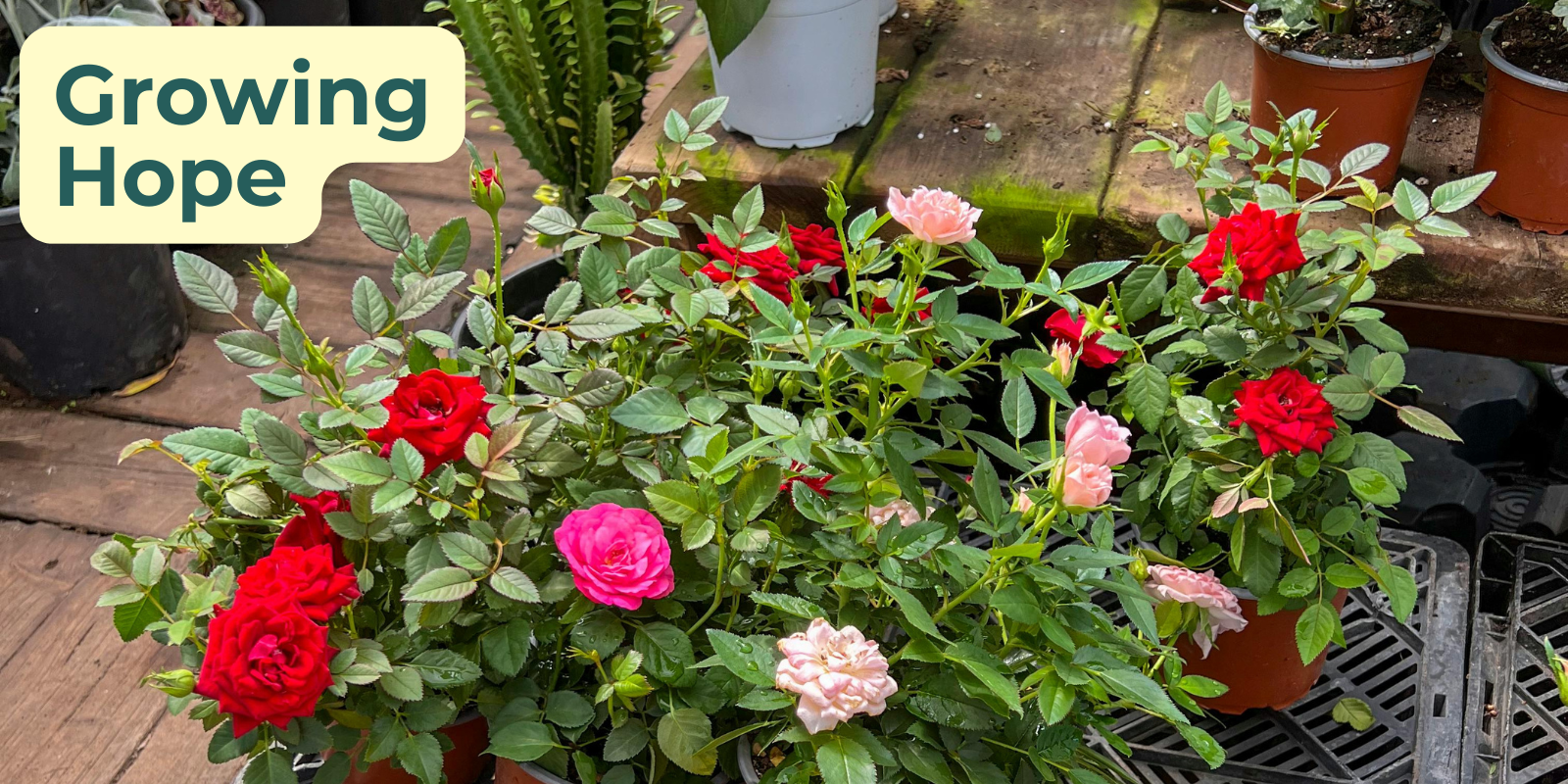
As soon as the weather begins to warm, people flock to local nurseries, filling their carts with plants intended for pots and flower beds and windowsills. The bright green of the new growth and the promise of blooms have a way of lifting our moods and beautifying our surroundings. And each plant holds a quiet kind of hope…Hope that it will take root and with a little care, it will flourish.
We place each small plant into the soil, water it, and wait. The leaves largely look the same day after day. But beneath the surface, important things are happening. The plant is establishing a support system under the ground, the life inside it is waking up and starting to burst forth, and what was once a seed is reaching its full potential. Too much? Well, it may not be earth-shattering when we’re talking about bedding plants, but when we move the metaphor to speak of young lives in our care, it takes on new, profound meaning.
For many children, hope doesn’t come naturally or easily. It isn’t something we can simply tell them to have. In fact, life may have taught them that hope is a dangerous, disappointing thing. It is only through consistent daily investments that, over time, children can begin to feel safe enough to believe that good things can come. What you are doing matters, even when you can’t yet see the fruit.
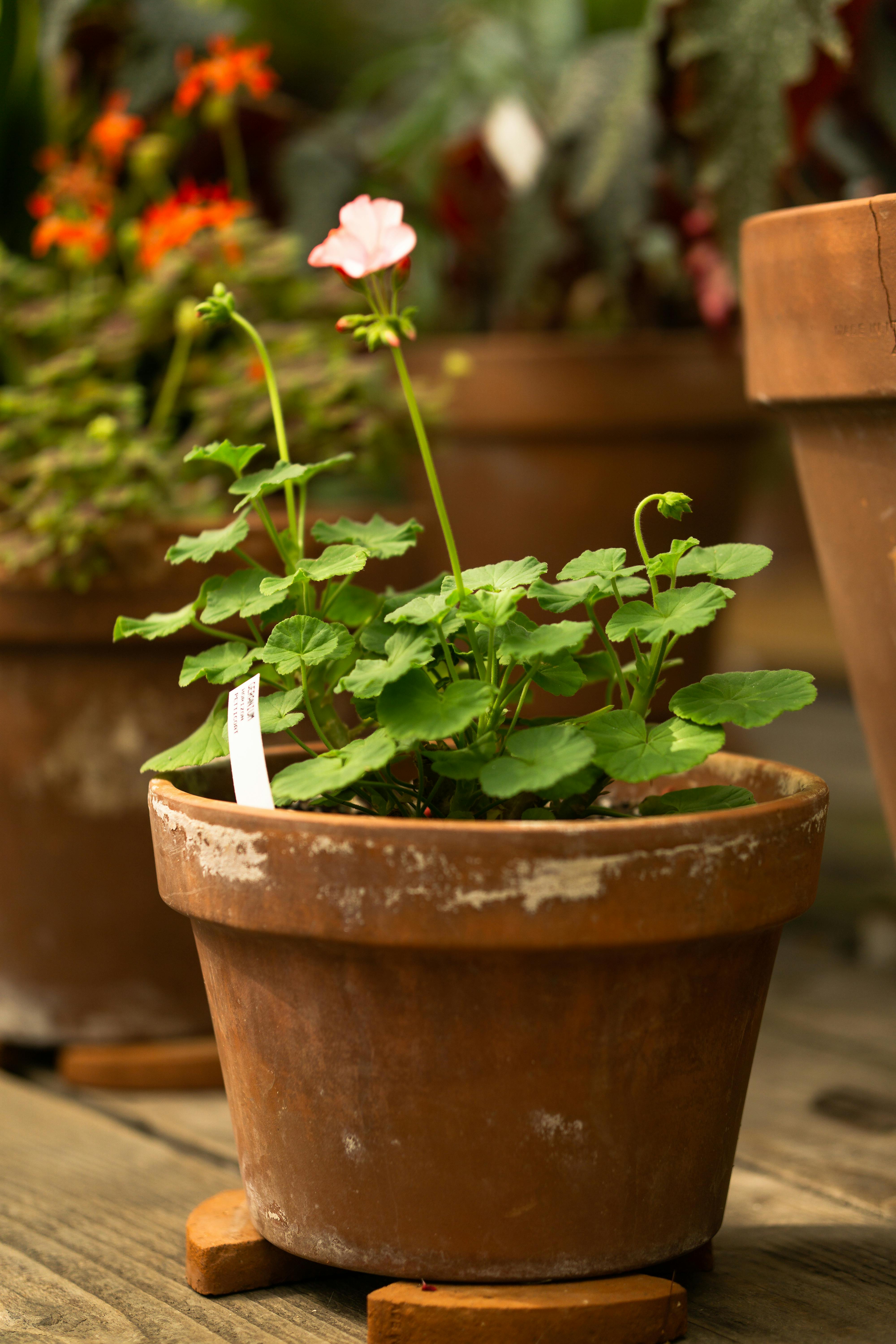
Hope grows through:
Consistency — “You can count on me.”
Showing up in predictable ways helps children feel safe. Keeping routines, following through on what you say, and responding calmly builds trust over time. Even when days aren’t perfect, consistency reminds a child that their world is steady and that they can rely on you.
Encouragement — “I see you trying.”
Noticing effort, not just outcomes, helps children believe they are capable. A simple word of affirmation, celebrating small wins, or acknowledging progress can shift how a child sees themselves. Encouragement plants confidence and reminds them they are worth the effort.
Presence — “I’ll show up again and again.”
Being there, physically and emotionally, matters more than having all the right answers. Sitting with them, listening, laughing, or even just sharing space communicates: you’re not alone. Over time, that steady presence helps children feel secure enough to open up, grow, and trust.
Every routine you keep, every calm response you give, every moment you choose patience, these are seeds. You may not see the outcome right away. But you are creating the conditions for something good to take root.
You are growing hope.
