
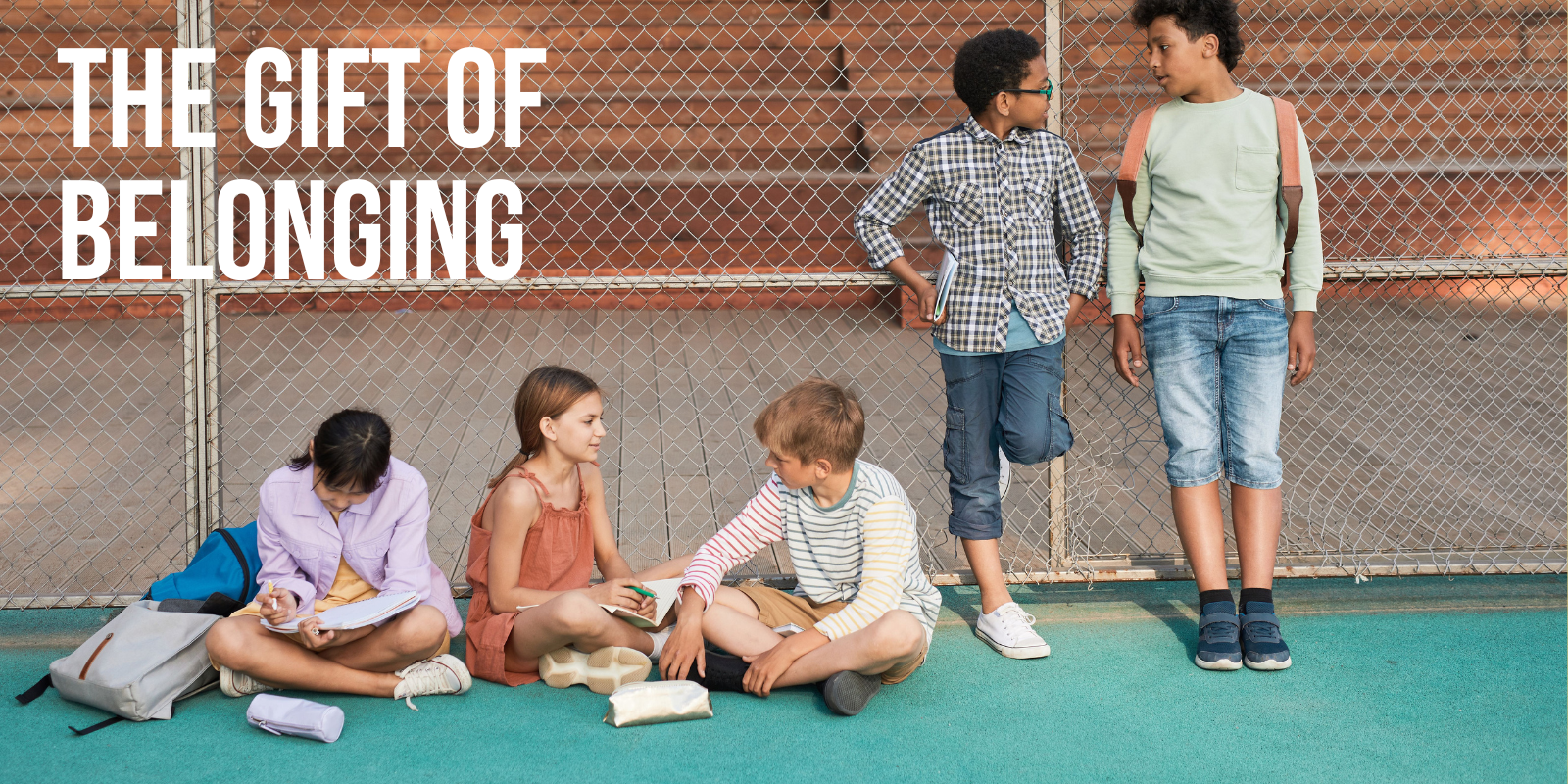
Walking through any secondary campus will open your eyes to a myriad of looks and behaviors among the students. Some came to school without a care in the world as to their hair, their clothes or their makeup. They may be declaring their independence. Some hang out with the theatre kids, who traditionally are very open and accepting. Some may be dressed “just so” and have a deep need to maintain the proper image. Then there are the jocks who display a persona often expected of athletes. Then there are the kids dressed all in black with a downcast demeanor, saying, “Look at me, but I will resent you for it.” The list goes on and on. And what are they all saying? They are declaring that they want to belong somewhere.
Every kid wants to belong. For foster children, this can be especially significant. Many of the children have experienced massive changes at home, at school and in relationships over which they had no control. Such circumstances can leave a kid slow to believe there is any place in which they are truly wanted. Therefore, there is nowhere they want to be.

We are required to give children a safe place where their physical needs are met. But we have the opportunity to make them feel known, valued and supported. We want every child to know that they matter, that they make a difference and that we are glad they are among us. We can provide a truthful counterbalance to the lies that their circumstances whisper in their ears.
Home is where we can do this most naturally. At home, we can offer attachment, rootedness and connection to create a greater sense of belonging. It is not so hard. We make it happen through everyday occurrences: learning about what they enjoy, remembering the details about them, celebrating their moments, listening when they are struggling or proud, making room for their unique personality and accepting them for who they are. Hard? It is often as easy as asking, “How was your day?”
But what about when they leave our presence? School is a major part of their lives and is often where they struggle the most. The foster parent and the child’s worker can help by developing relationships with teachers, counselors and administrators. We can let educators know who the child really is, not just the challenges they face. We can help the school understand the importance of encouragement, inclusion and care.
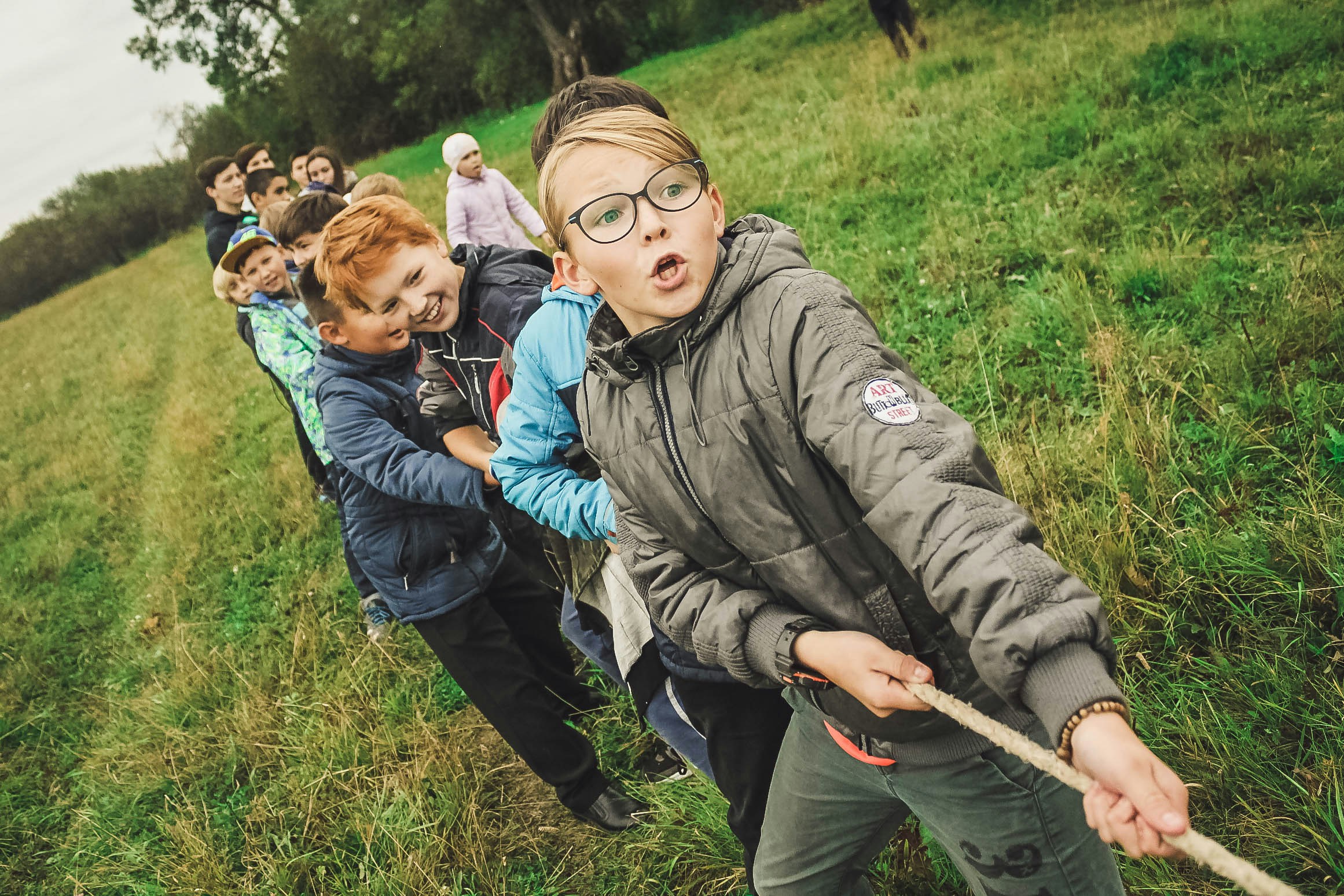
The same is true in the community. Sports, theatre, community events, church, clubs and neighborhood relationships can help a child develop relationships and discover belonging and acceptance. We can help them find places where they can participate, not just watch. Belonging involves a relationship, a role and a reason to show up. We can do this!
Every child needs a place to stay. Just as importantly, they need a place where they can say they fit in. And when they truly believe, “These people know me, value me, love me and want me here,” then we will have given them something eternal that will reach far beyond their time in foster care.
Blessings,
