
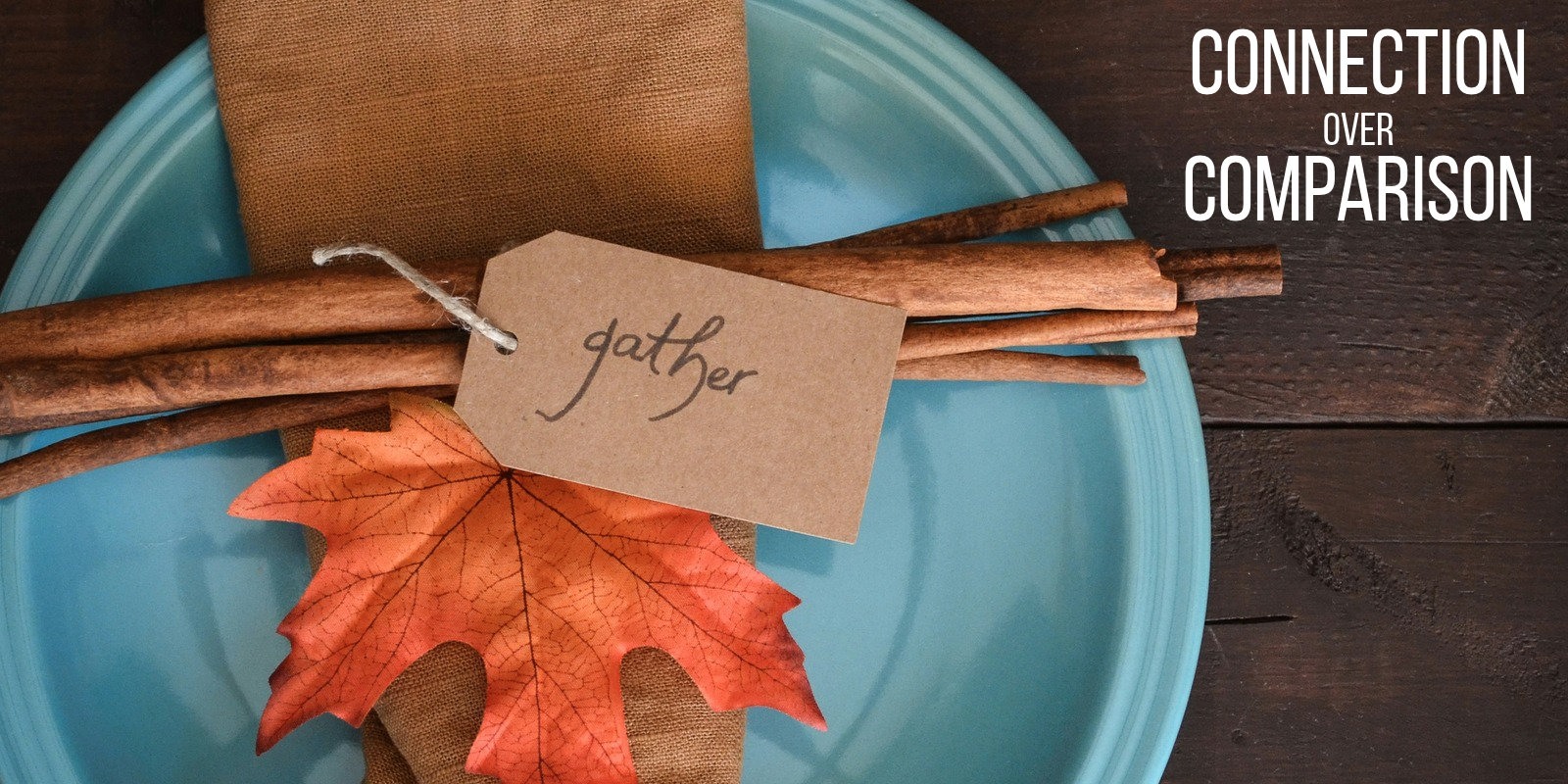
It’s easy to look at holiday photos, elaborate meals, and smiling families and feel like our own celebrations fall short. We may picture everyone happily gathered around the table, enjoying the food and getting along perfectly, when real life might include picky eaters, tense conversations, last-minute changes, or a child who needs a break from the festivities.
Sometimes the comparison is with someone else’s celebration. Other times, it’s with a holiday we remember or the one we hoped to create. We want to make things special for the people we love. But when that desire becomes pressure to make everything perfect, we can overlook the good happening right in front of us.
This season, we can make room for a different goal: enjoying one another in the middle of real life.
Let Your Family Be Your Guide
A holiday doesn’t have to look a certain way to be meaningful. Our table does not have to be Instagram-worthy, every dish does not have to be homemade, and the day does not have to be filled with activities from morning until bedtime.
Think about the people who will actually be there. What do they enjoy? What helps them feel comfortable? What tends to leave everyone tired or frustrated?
A smaller gathering may allow for better conversation. A familiar food alongside holiday favorites may help a child feel more at ease. Leaving the afternoon open might give everyone time to rest, play, or simply enjoy being together.
Before adding another task to your list, ask yourself, “Will this help us connect, or am I doing it because I feel like I should?” Some preparations will be worth the effort. Others may be things you can simplify, share, or skip.
Children Are Still Children on Holidays
We may spend hours planning a celebration, but children won’t suddenly have more patience, adventurous appetites, or an easier time managing disappointment because it’s Thanksgiving. They will still need the understanding, reassurance, and support they need every other day.
For children in foster care or adoptive families, holiday gatherings may also bring unfamiliar customs, questions about family, or memories of people they miss. A child can enjoy being with you and still wish someone else were there.
Help children know what to expect: who will be coming, where you will eat, and what the day might include. Offer a quiet place to take a break and allow them time to warm up to relatives. Let participation be flexible when possible. A child who doesn’t want to join a group photo or share something they are thankful for can still be part of the celebration.
Responding to those needs is part of making the day welcoming. Sometimes the most caring choice is to change the plan.
Leave Room for What Is Missing
Someone special may be absent from the table this year. Family circumstances may have changed, money may be tighter, or the season may look very different from what you expected.
Gratitude does not require us to ignore those realities. We can miss someone and enjoy a conversation. We can feel disappointed and appreciate another person’s effort. We can acknowledge a difficult year and still find moments worth celebrating.
Allow yourself and your children to express those feelings without rushing to make them positive. “I wish they could be here, too” may be more comforting than a reminder to count blessings. Listening gives people room to be honest and feel understood.
When it feels right, a favorite recipe, a shared memory, or a familiar song can offer a gentle way to acknowledge someone who is missed.
Notice the Good That Is Already There
The moments that make a holiday meaningful may never appear in a photograph. Someone helps clean up without being asked. A child tells a funny story. Two relatives linger at the table talking. Everyone laughs when a recipe turns out a little differently than expected.
We are more likely to notice those moments when we loosen our grip on how the day should unfold.
Put the phone aside for a while. Sit down even if a few dishes are waiting. Let someone else help, even if they do things differently. Give yourself a chance to experience the gathering you worked to prepare.
You can also invite gratitude in small, natural ways. Tell someone you’re glad they came. Thank a child for helping. Mention something you enjoyed about the day. There is no need for everyone to produce a heartfelt answer on cue.
Make Room for the Holiday You Have
This season, give yourself permission to plan around the people you love and what works for them, even if it doesn’t look like a magazine cover. Share a laugh, listen to a story, and notice the small moments of warmth.
You don’t have to pretend everything is perfect to appreciate your family as they are today. Around a crowded table or a quiet one, over a homemade feast or a simple meal, there can be opportunities to care for one another and give thanks.
There are blessings worth noticing in the holiday we actually have.
